Lipo Sculpt Herne· Non-surgical aesthetics

Age Spot Treatment Using Cryotherapy Herne

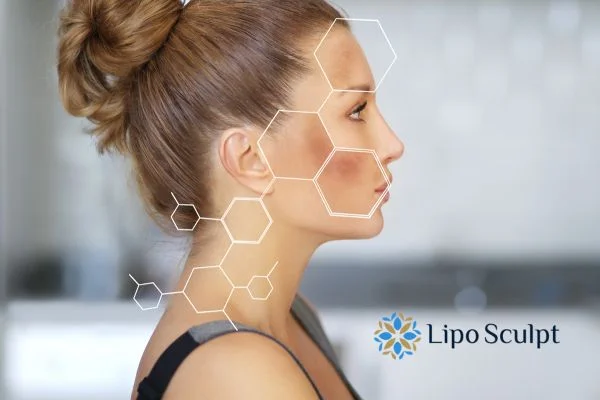
Age spots Herne often appear gradually on areas of skin that have had years of sun exposure, such as the face, hands, shoulders and chest. They can become more noticeable over time, particularly if you spend a lot of time outdoors.

If you are considering a cosmetic treatment for these marks, it is important to understand what they are, whether treatment is suitable and what recovery may involve.

At Lipo Sculpt, we offer consultations for people who want to discuss treatment for age spots. CryoPen may be an option for suitable marks, but this depends on the type of spot, the device being used and an assessment of whether treatment is appropriate.

The first step is making sure the mark is suitable for cosmetic treatment. A new, changing or uncertain skin lesion should be assessed by an appropriately qualified healthcare professional before any cosmetic procedure is considered.

Want to explore your options for age spots Herne? Contact Lipo Sculpt to discuss whether treatment may be suitable for you.

Start with a conversation.

Understand your options before deciding on treatment.

Consultation first

Time to discuss suitability and ask questions.

Understand Your Options

Treatment depends on the diagnosis, the location and nature of the lesion, and the advice of an appropriately qualified healthcare professional.

Enquiries About Our Services

Contact us to discuss our services, availability and suitability requirements.

What Are Age Spots?

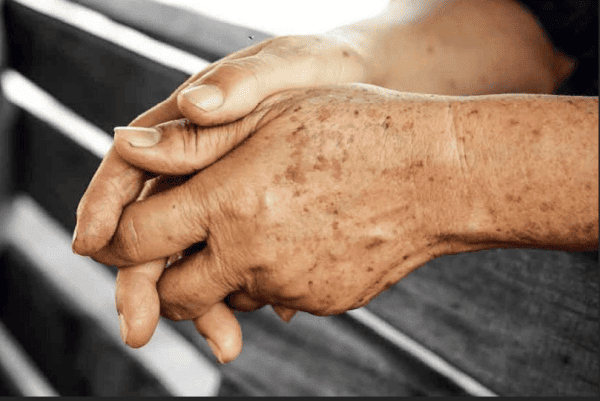
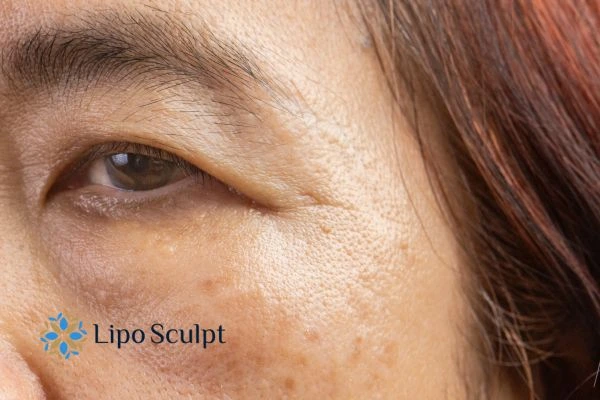
Age spots, sometimes called solar lentigines, are brown patches that tend to appear on skin that has had a lot of sun exposure over the years. They’re commonly found on the face, hands, shoulders and chest.

They may appear:

  • Light brown, dark brown or tan.
  • Flat, with a clearly defined outline.
  • On the face, hands, arms, shoulders or upper chest.
  • As single marks or several patches across sun-exposed skin.

Although people often associate them with getting older, sun exposure is a major contributing factor. Some call them liver spots, but they aren’t caused by a liver problem.

An important distinction: Age spots Herne are usually harmless, but not every brown mark is an age spot. Some skin cancers can look much the same. If a spot is new, changing or looks unusual, get it checked by your GP before treating it for cosmetic reasons.

Why New or Changing Spots Need Checking First

Concerned about a skin spot Herne? Have new, changing or unusual marks checked by an appropriate healthcare professional before considering cosmetic treatment.

Before considering age spot treatment, make sure the mark has been appropriately assessed.

Contact your GP if you notice a spot that:

  • Is new or looks different from your other marks.
  • Changes in size, shape or colour.
  • Has an irregular outline or several different colours.
  • Becomes raised, itchy, painful, crusty or inflamed.
  • Bleeds or develops a sore that does not heal.

These changes do not automatically mean that a spot is cancerous, but they should not be ignored. Your GP may assess the area or refer you to a dermatologist if necessary.

At Lipo Sculpt, a cosmetic consultation is not a substitute for a medical diagnosis. If a lesion is new, changing or uncertain, cosmetic treatment should be postponed until it has been appropriately assessed. If there is any doubt about a mark, we will not proceed with cosmetic freezing.

Freezing a lesion that needs medical investigation could delay diagnosis.

For further information, read the NHS guidance on melanoma symptoms.

How Does CryoPen Treatment Work?

Thinking about treatment for age spots? Contact Lipo Sculpt Herne to discuss your concerns and the options available.

CryoPen is a handheld cryotherapy device that applies a controlled stream of very cold gas to a selected area. Cryotherapy works by exposing targeted tissue to cold.

However, the suitability of a particular CryoPen model for treating age spots Herne must be confirmed against the manufacturer’s instructions and supporting evidence. The device’s intended purpose, the type of lesion and the practitioner’s training all matter.

Where the device is appropriate for the intended treatment, the practitioner follows the relevant instructions and clinic protocol. The treated area may subsequently become red, darker, blistered or crusted as the skin responds.

The appearance and healing process vary between individuals and treatment sites. A particular result or complete clearance cannot be guaranteed.

What Happens at Your Appointment?

Your appointment should begin with a discussion about the marks you would like to address and whether cosmetic treatment may be appropriate.

1. Consultation and suitability

We’ll discuss your skin concerns, your medical history and what you’d like to improve. They’ll also explain how the treatment works, what results you might expect, any possible risks, other options and how to care for your skin afterwards.

If a lesion needs medical assessment, treatment should not proceed until the appropriate assessment has taken place.

2. Treatment planning

If treatment is considered appropriate, your practitioner should explain how the selected device will be used and confirm that the proposed use is consistent with the manufacturer’s instructions.

You can ask any questions before the treatment and take time to decide whether you want to go ahead.

3. The procedure

If treatment proceeds, the practitioner applies the device according to its instructions and the agreed treatment plan. The duration and technique depend on the device, the area being treated and the individual circumstances.

Your practitioner should explain what you may feel during the procedure and what to expect afterwards.

4. Aftercare advice

Before leaving, you should receive clear instructions about caring for the area, protecting the skin, recognising possible complications and arranging follow-up if needed.

Follow your practitioner’s advice on caring for the treated area, and let any scabs fall off naturally. Don’t pick at them or try to remove them yourself.

Does CryoPen Treatment Hurt?

Sensation varies from person to person. You may feel cold, stinging, tingling or temporary discomfort during treatment and tenderness afterwards.

Your practitioner should explain what is expected with the specific device and treatment being offered. Tell them if you experience significant or unexpected pain.

What Does Healing Look Like?

The skin’s response depends on the treatment, the area involved and your individual healing process. Possible effects include redness, swelling, tenderness, blistering, darkening of the treated area and scab formation.

  • The following is a general guide, not a guaranteed timetable.
  • Initially: The area may look red or swollen and feel tender.
  • Over the following days: The treated skin may darken, blister or form a crust. These changes should be managed according to your aftercare instructions.
  • As the skin heals: Any crust or scab should be allowed to come away naturally. Do not pick, scratch or pull it off.
  • After the initial healing period: The skin may look pink or show a change in pigmentation. The final appearance can take longer to settle, and pigment changes may sometimes persist.

Healing time varies, so allow sufficient time before a wedding, holiday, photograph session or other important event. Ask your practitioner how much recovery time may be appropriate for the area being treated.

If redness or swelling starts to spread, the pain gets worse, the area feels increasingly hot, or you notice pus or develop a fever, seek medical advice. If you’re worried about how the area is healing, don’t wait for it to get worse before getting it checked.

Will CryoPen Work on My Age Spots?

The outcome depends on the nature of the mark, the device used, the treatment approach and your skin’s response.

If the lesion is suitable for treatment, improvement in its appearance may be possible. However, results vary. A mark may fade partially, remain visible or require further assessment rather than additional treatment.

We do not promise a fixed number of sessions or guarantee complete removal. Any decision about further treatment should be made after the skin has been reviewed and has had appropriate time to heal.

It is also important to understand that treating an existing age spot Herne does not prevent new ones from developing. UV exposure can contribute to further pigmentation over time.

Are you looking at age spots Herne removal? Contact Lipo Sculpt today!

Protecting your skin after treatment

Sun protection is important for both general skin health and reducing further sun-related pigmentation. Follow your practitioner’s advice about when to resume sunscreen on the treated area.

As part of your regular routine:

  • Use a broad-spectrum sunscreen of at least SPF 30.
  • Reapply sunscreen after swimming, sweating or drying your skin with a towel.
  • Cover up with suitable clothing and try to stay in the shade when the sun is strong.
  • Avoid deliberate tanning and sunbeds.

Sun protection cannot guarantee that new age spots Herne will not appear, but it helps reduce UV exposure.

Read the NHS advice on sunscreen and sun safety.

age spot removal

The Risks of CryoPen Treatment

Cryotherapy is a procedure, and it can cause unwanted effects. Before deciding whether to proceed, make sure you understand the risks associated with the specific device and treatment proposed.
Possible effects and complications include:
  • Redness, swelling and tenderness: Temporary reactions may occur around the treated area.
  • Blistering and scabbing: The skin may blister or form a crust as part of its response to treatment.
  • Changes in pigmentation: The area may become lighter or darker than the surrounding skin. These changes can sometimes be long-lasting or permanent.
  • Scarring: The skin may heal with a small scar or a change in its texture.
  • Infection: If the treated skin becomes damaged, there is a chance it could develop an infection.
  • Results may vary: The age spot may fade without disappearing completely, and some marks may remain visible.
  • New age spots: You may notice new age spots over time, especially if your skin continues to be exposed to the sun.
The side effects can vary from person to person, depending on the area being treated, the type of spot, the technique used and how your skin heals.
Ask your practitioner which risks are most relevant to you, what evidence supports the proposed treatment and what follow-up is available if you experience a problem.

Who May Not Be Suitable for Treatment?

CryoPen treatment is not appropriate for every person or every skin mark. Suitability must be assessed individually against the device instructions and the clinic’s clinical protocol.
 
Treatment may need to be avoided, postponed or discussed with an appropriate healthcare professional if:
 
  • The nature of the skin lesion has not been established.
  • The area has an infection, an open wound or significant irritation.
  • You have a condition that affects your response to cold, such as cold urticaria, cryoglobulinaemia or Raynaud’s phenomenon.
  • You have a history of poor wound healing or raised or keloid scarring.
  • You have had skin cancer in the area or have other relevant skin-health concerns.
  • The area has recently been exposed to strong sunlight or has a fresh tan.
  • You are pregnant or breastfeeding and the suitability of the proposed procedure has not been established.
 
This list is not exhaustive and does not mean every condition automatically rules out treatment. Your practitioner should review your circumstances and the manufacturer’s contraindications before making a recommendation.
 
If the treatment is unsuitable, the safer option may be to leave the mark alone or seek advice from a GP or dermatologist.

Who Carries Out Your Treatment?

Choosing a provider involves more than looking at the equipment or the advertised price. You should understand who will carry out the procedure, what training and experience they have, and what arrangements are in place if you experience a complication.
 
Before you decide to go ahead, it’s worth asking a few simple questions:
 
  • What training and experience do you have with this treatment?
  • Is this device suitable for treating my age spots?
  • What results can I realistically expect, and what evidence supports the treatment?
  • What are the possible risks for my skin?
  • What aftercare and follow-up are provided?
  • What happens if I am unhappy with the result or develop a complication?
 
At Lipo Sculpt, we want you to feel comfortable asking questions before deciding on treatment. We’re happy to talk you through the procedure, what it involves and whether it may be suitable for you.

Your questions, answered

Age Spot Treatment Herne FAQs

These answers offer a starting point. Your consultation provides information specific to the treatment and your circumstances.

Suitability depends on the nature of the mark, its location, the specific device and your skin. Facial skin may need particular care because of the visibility of the area and the potential for pigmentation changes or scarring.

Any new, changing or uncertain facial mark should be assessed by an appropriate healthcare professional before cosmetic treatment is considered.

There is no suitable fixed number for everyone. The outcome depends on the lesion, the device and your individual response. Some marks may not respond as expected, and further treatment should only be considered after reassessment and adequate healing.

Follow the instructions provided by the clinic. Tell your practitioner about relevant medical conditions, medicines, skin reactions, recent tanning and any previous treatment to the area.

Do not arrange cosmetic treatment for a mark that is new, changing or has not been appropriately assessed.

The treated area may be red, swollen, tender, blistered or crusted. Some people may continue many everyday activities, but recovery and aftercare requirements vary. Do not assume the skin will look normal immediately after treatment.

Your practitioner should explain what to expect for the specific procedure and treatment site.

Follow the aftercare instructions for your procedure. Avoid applying make-up or other products to broken, blistered or irritated skin unless your practitioner has advised that it is appropriate. Ask when it is safe to resume sunscreen on the treated area.

The cost depends on the service offered, the area involved and the treatment plan. Contact Lipo Sculpt for current pricing and confirmation of what is included in the consultation, procedure and follow-up.

A consultation should not be taken as a commitment to proceed.

Contact the clinic so the treated area can be reviewed and appropriate advice provided. Do not attempt to repeat the procedure or treat the area yourself.

If you develop worsening pain, spreading redness, increasing heat, pus, fever or another concerning symptom, seek medical advice promptly.

A consultation should not be taken as a commitment to proceed.

Let's talk about your options

Considering Age Spot Treatment?

If you are concerned about the appearance of age spots, the first step is to establish whether the marks are suitable for cosmetic treatment.

Book a consultation with Lipo Sculpt to discuss your concerns, the options available and the risks involved. A consultation does not guarantee that treatment will be recommended or carried out.

If a mark is new, changing or uncertain, seek an appropriate medical assessment before considering cosmetic treatment.

This page is for general information only and does not replace professional medical advice or care.